For Perth businesses pursuing larger contracts or entering new supply chains, that confidence needs to be backed by evidence. A potential customer may ask how you control access to sensitive data, protect your systems and keep operating through a cyber incident. Your answers can influence whether an opportunity moves forward.
This is where security maturity for Perth businesses becomes a competitive advantage. Demonstrating sound security practices helps you meet supplier requirements, build trust and strengthen your position when competing for new work.
In this blog, we’ll explore how stronger security can help you compete for bigger contracts, adopt AI with confidence and build the resilience to support long-term growth.
Why Is Security Maturity Becoming More Important to Customers?
Choosing a supplier means trusting another business with information, access or services that matter to your operations. For your customers, a security weakness in your business could introduce risk into theirs. They need to understand how you manage that responsibility.
Requirements for IT security in tenders and supplier agreements set out what customers expect. They may ask you to demonstrate how you protect sensitive data, manage access and respond to incidents. Documented policies, security assessments and recovery test results provide evidence they can assess when deciding whether to work with you.
Security maturity reflects how consistently those practices are applied, tested and improved as your business changes. Recognised standards can help customers assess that approach. ISO 27001 certification, for example, provides independent assurance that your information security management system meets a recognised standard. Whether certification is required will depend on the customer and contract.
Where security criteria are mandatory, they become a condition of competing for the work. Addressing them early can help your business qualify for larger contracts and enter new supply chains. A mature approach to security supports both supplier approval and the ongoing trust needed to build lasting customer relationships.
How Does Strong Security Support Confident AI Adoption?
Businesses are turning to AI to reduce time spent on routine tasks and help their teams work more efficiently. Drafting proposals, summarising documents and finding information are practical places to start. Making the most of these benefits also means understanding how the AI tools handle business and customer data.
When those tasks involve confidential information or commercially sensitive material, customers and partners may want to understand how it is protected. Being able to explain how your business uses AI responsibly helps maintain their confidence while you introduce new ways of working.
Before introducing an AI tool, ask yourself:
- What information will our team use with AI? Identify whether it includes customer records, confidential designs or commercial agreements, and decide what is appropriate to use.
- Who can access that information? Review permissions so staff and connected AI tools only have access to the information they need.
- How will the provider handle our data? Check how information is stored, whether it may be used for model training and what protections apply to the service you’re considering.
- Does our team know what’s allowed? Set clear guidance on approved tools, permitted uses and when someone needs to check an output before it is used or shared.
Answering these questions brings security and AI governance into everyday business decisions. Your team has clear boundaries to work within, and leadership can make informed choices about where AI will add value.
Those foundations can also make adoption smoother. You can assess new uses more efficiently, give customers credible answers about data handling and pursue productivity gains with greater confidence.
How Can Business Resilience Give You a Competitive Edge?
When customers depend on your business, your ability to manage disruption matters to theirs. A systems outage could delay a construction project, interrupt a manufacturing schedule or leave a professional services firm unable to meet a client deadline.
Being able to demonstrate how you would keep essential work moving and recover from an incident helps customers assess your ability to deliver reliably. Tested continuity and recovery arrangements show that your business is prepared to manage disruption.
That confidence comes from practical arrangements that are tested and maintained:
- Tested recovery plans: Identify which systems need to return first and test whether you can restore them within the timeframes your business needs. This helps you give customers realistic expectations about recovery.
- Protected backups: Keep backups protected from compromise and regularly test that information can be restored, giving your business a dependable recovery option.
- Clear incident responsibilities: Establish who makes decisions, coordinates recovery and keeps customers informed. A coordinated response helps protect relationships when disruption occurs.
- Ways to keep essential work moving: Prepare alternative processes for priority services so your team can continue supporting customers while systems are restored.
- Recognised security standards: Use a standard such as SMB1001 to guide improvements and, where certification is achieved, provide independent evidence of your security practices. This helps customers assess your approach alongside your tested recovery plans.
This evidence can strengthen customer due diligence responses and support cyber insurance assessments. More broadly, it shows that you understand how disruption could affect the people relying on you.
Demonstrating these capabilities can strengthen your position as a reliable supplier. Customers have clearer evidence that your business can maintain essential services, recover from disruption and communicate effectively throughout an incident.
Take the Next Step Towards Stronger Security
The return on security investment can extend beyond reducing risk. It can include qualifying for new work, supporting productive use of AI and reducing disruption to services your customers rely on. A clear view of your current security maturity helps you decide where to invest and what to improve first.
With over 35 years of experience supporting WA businesses, Bekkers provides practical advice on cyber security for SMEs in Perth. Our team can help you assess your capabilities, understand customer requirements and build a prioritised plan that supports your business goals.
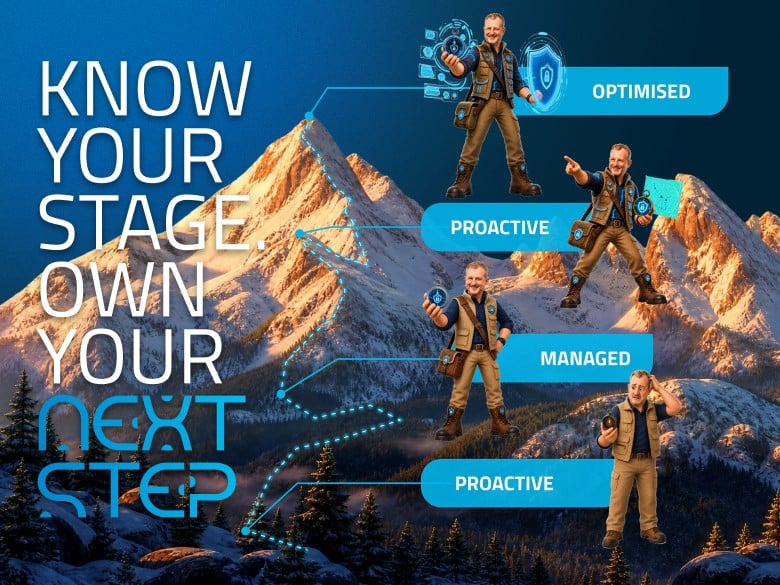
Take the Bekkers Security Maturity Assessment to understand where your business stands and which improvements to prioritise next.
FAQs
Does Better Cyber Security Help Businesses Win Contracts?
Yes, stronger cyber security can help your business qualify for contracts and build customer confidence. Where tenders include mandatory security requirements, demonstrating that you meet them can determine whether your proposal progresses. Clear evidence of your security practices also helps customers assess your reliability. It won’t guarantee a win, but it can strengthen your position.
What Is the Difference Between Compliance and Security Maturity?
Compliance means meeting specific requirements while security maturity reflects how consistently your business manages and improves security. Compliance requirements may come from a contract, regulation or standard. Maturity considers whether security practices remain effective over time and adapt as your business, technology and risks change.
Do We Need ISO 27001 Certification to Win Larger Contracts?
Not always, it depends on the customer and contract. Some tenders require ISO 27001 certification, while others accept evidence of specific security practices. However, certification to this recognised international standard can help demonstrate your commitment to managing information securely, strengthen customer confidence and support future contract opportunities.
How Does Strong Security Help Us Adopt AI Safely?
Strong security helps you protect sensitive information while making practical use of AI. Knowing what data tools can access, reviewing how providers handle it and setting clear rules for staff helps you choose appropriate uses. These foundations support more confident adoption while maintaining customer trust.
Can Stronger Security Reduce Cyber Insurance Costs?
It may help, but lower premiums are not guaranteed. Insurers may assess controls such as multi-factor authentication, protected backups and incident response arrangements when offering cover. Demonstrating effective security practices can support your application and potentially improve terms, while pricing also depends on your industry, claims history and the cover requested.
Where Should We Start with Improving Security Maturity?
Start by understanding where your business stands and what it needs to improve. A security maturity assessment helps identify gaps and prioritise changes around your risks, customer requirements and business goals. Take the Bekkers Security Maturity Assessment to establish a starting point and guide your next steps.